
Our website uses cookies to enhance and personalize your experience and to display advertisements (if any). Our website may also include third party cookies such as Google Adsense, Google Analytics, Youtube. By using the website, you consent to the use of cookies. We have updated our Privacy Policy. Please click the button to view our Privacy Policy.

International

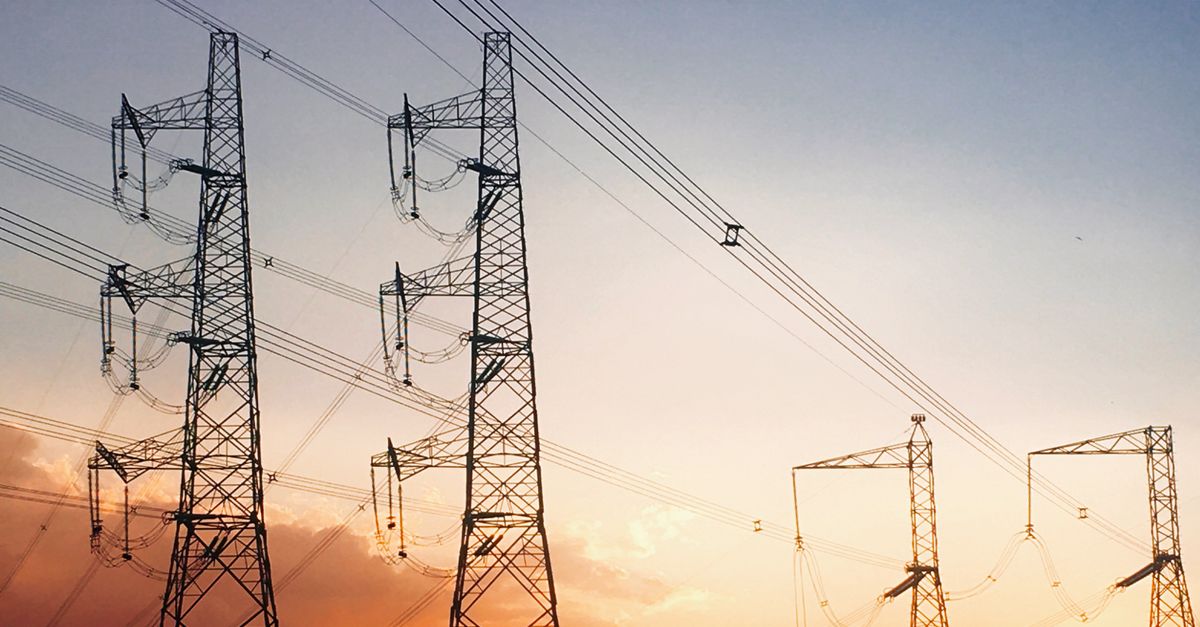
Why power grids are a bottleneck for clean energy

The Grid Challenge: Powering Clean Energy’s Future

The move toward low‑carbon electricity depends on grids being able to transfer, regulate, and oversee far greater and more unpredictable energy volumes than they were originally designed to handle, and these systems are repeatedly constrained by technical limits, entrenched practices, regulatory hurdles, and societal pressures. This article describes how that bottleneck functions, highlights real examples that reveal its impact, and presents practical ways to accelerate meaningful progress.How the grid’s physical design collides with clean generationGeography and resource mismatch. The best wind and solar sites are often far from demand centers. Offshore and remote wind farms, desert and high-sun regions create…
Read More
How cities prepare for more intense heat waves

Preparing Cities for Extreme Heat Waves

Cities around the world face more frequent, longer and hotter heat waves as climate change continues to raise average temperatures and amplify extremes. Urban areas are especially vulnerable because the urban heat island effect concentrates heat: paved surfaces, dense buildings and low vegetation can raise local temperatures by 1–7°C relative to nearby rural areas. Preparing for this new normal requires a mix of near-term emergency measures, longer-term planning, infrastructure upgrades, public health interventions and community-focused equity work.The challenge: why intense heat waves are a growing urban riskHeat waves heighten the likelihood of heat‑related illness, cardiovascular and respiratory complications, and even…
Read More
China reveals its plan to challenge the US dollar for dominance. Could it ever work?

The Yuan vs. The Dollar: China’s Ambitions for Global Currency Dominance

China is taking advantage of a period marked by global instability to advance its long-held goal of giving its currency a broader international presence, as market turmoil, a softer US dollar, and shifting political landscapes have created what Beijing views as exceptionally ripe conditions.In recent months, global markets have been unsettled by a convergence of political and economic factors, many of them tied to policy signals coming out of the United States. The renewed presidency of Donald Trump has reintroduced an element of unpredictability into trade, monetary policy, and international relations. As investors attempt to price in this uncertainty, the…
Read More
How a distant conflict can raise the price of everyday goods

Why Far-Off Conflicts Drive Up Daily Expenses

A war or political conflict thousands of miles away can raise the price of everyday goods at home through a chain of economic and logistical links. Modern supply chains are tightly interwoven, and essential inputs such as energy, metals, food, and shipping capacity are concentrated in a relatively small number of producing regions. When conflict disrupts production, trade flows, insurance, or finance in those regions, the cost of inputs rises and producers pass those costs on to consumers.Primary transmission pathwaysCommodity supply shocks — Conflicts that disrupt the export flow of oil, gas, wheat, fertilizers, or metals cut global availability and…
Read More
Why water is increasingly seen as a geopolitical risk

Understanding Water’s Role in Geopolitical Instability

Freshwater underpins life, agriculture, energy production, industry, and vital ecosystem functions, yet its availability remains both scarce and uneven across the globe. Only around 2.5% of Earth’s water is freshwater, and just about 0.3% of the planet’s total water supply is easily accessible on the surface for human use. Meanwhile, expanding populations, accelerating urbanization, shifting dietary patterns, and ongoing economic growth continue to push demand upward. At the same time, climate change, retreating glaciers, declining groundwater reserves, pollution, and aging infrastructure are undermining the reliability of supply. Together, these pressures push water beyond a local management concern, turning it into…
Read More
Why energy keeps getting used as a geopolitical tool

Deciphering Energy’s Geopolitical Persistence

Energy extends far beyond fuel and electricity, serving as the foundation for industry, transportation, household well-being, and military strength. Because of this central role, it becomes a particularly powerful instrument in international affairs. Governments, corporations, and nonstate actors leverage supply, pricing, infrastructure, regulation, and technological oversight to pursue strategic objectives. This behavior endures due to four persistent factors: the uneven global distribution of resources, the long lifespan of infrastructure and contractual arrangements, the rapid economic strain caused by supply disruptions, and the wide-ranging ripple effects on alliances and domestic political dynamics.Fundamental dynamics shaping energy geopoliticsSupply manipulation: producers can cut or…
Read More
Why information manipulation threatens democratic stability

Safeguarding Democracy from Information Manipulation

Democratic stability rests on citizens who stay well-informed, institutions that earn public confidence, a common set of debated yet broadly accepted facts, and orderly transfers of power. Information manipulation — the intentional crafting, twisting, magnifying, or withholding of content to sway public attitudes or actions — steadily eats away at these pillars. It undermines them not only by circulating inaccuracies, but also by altering incentives, weakening trust, and turning public attention into a strategic tool. The threat operates systemically, leading to compromised elections, polarized societies, diminished accountability, and conditions that allow violence and authoritarian tendencies to take hold.The way information…
Read More
Why Venezuela’s opposition leader Machado is betting her political future on Trump

Why Venezuela’s Machado is Aligning with Trump for Her Political Future

Venezuelan opposition leader and 2025 Nobel Peace Prize laureate Maria Corina Machado arrives in Washington amid tense negotiations over her country’s future. Her visit coincides with U.S. debates over Venezuela’s leadership following Nicolás Maduro’s removal from power.Machado’s presence in the U.S. capital comes after a turbulent year in Venezuelan politics. Just 12 months ago, she was campaigning in Caracas, striving to galvanize citizens against Maduro as he began a third term despite contested election results. Her candidate, Edmundo González, had reportedly won a decisive victory, yet Maduro’s administration maintained power, leaving Machado sidelined and largely out of the public eye…
Read More
Meet the trusted diplomat tasked with turning the US-backed ceasefire into peace for Gaza

The Diplomat’s Task: Securing Peace from Gaza Ceasefire

Bulgaria’s Nickolay Mladenov, a seasoned diplomat, has taken on one of the most challenging assignments of his career: overseeing the delicate implementation of a US-brokered plan to stabilize Gaza and guide its administration. His experience, relationships, and reputation will all be tested as he navigates the complex political terrain of the region.Mladenov’s path to this moment has unfolded over several decades of diplomatic work. In the early stages of his career, he assumed prominent roles within Bulgaria’s government, serving as defense minister at 37 and later taking on the position of foreign minister. His global portfolio broadened through his service…
Read More
Venezuela has a ton of oil. It also has something else America needs

Venezuela’s Oil: More Than Just Black Gold for America

Venezuela’s extensive natural resources have reemerged within Washington’s strategic agenda, with its potential mineral reserves now portrayed as matters of national significance, although specialists caution that transforming these aspirations into tangible results is considerably more intricate than political discourse implies.When Donald Trump announced that U.S. companies would be allowed to tap into Venezuela’s vast oil reserves, the spotlight swiftly broadened far beyond petroleum, and policy discussions increasingly began to encompass minerals, metals, and even rare earth elements thought to lie beneath Venezuelan territory, resources considered vital across sectors such as defense, aerospace, clean energy, and consumer technology, and now central…
Read More