

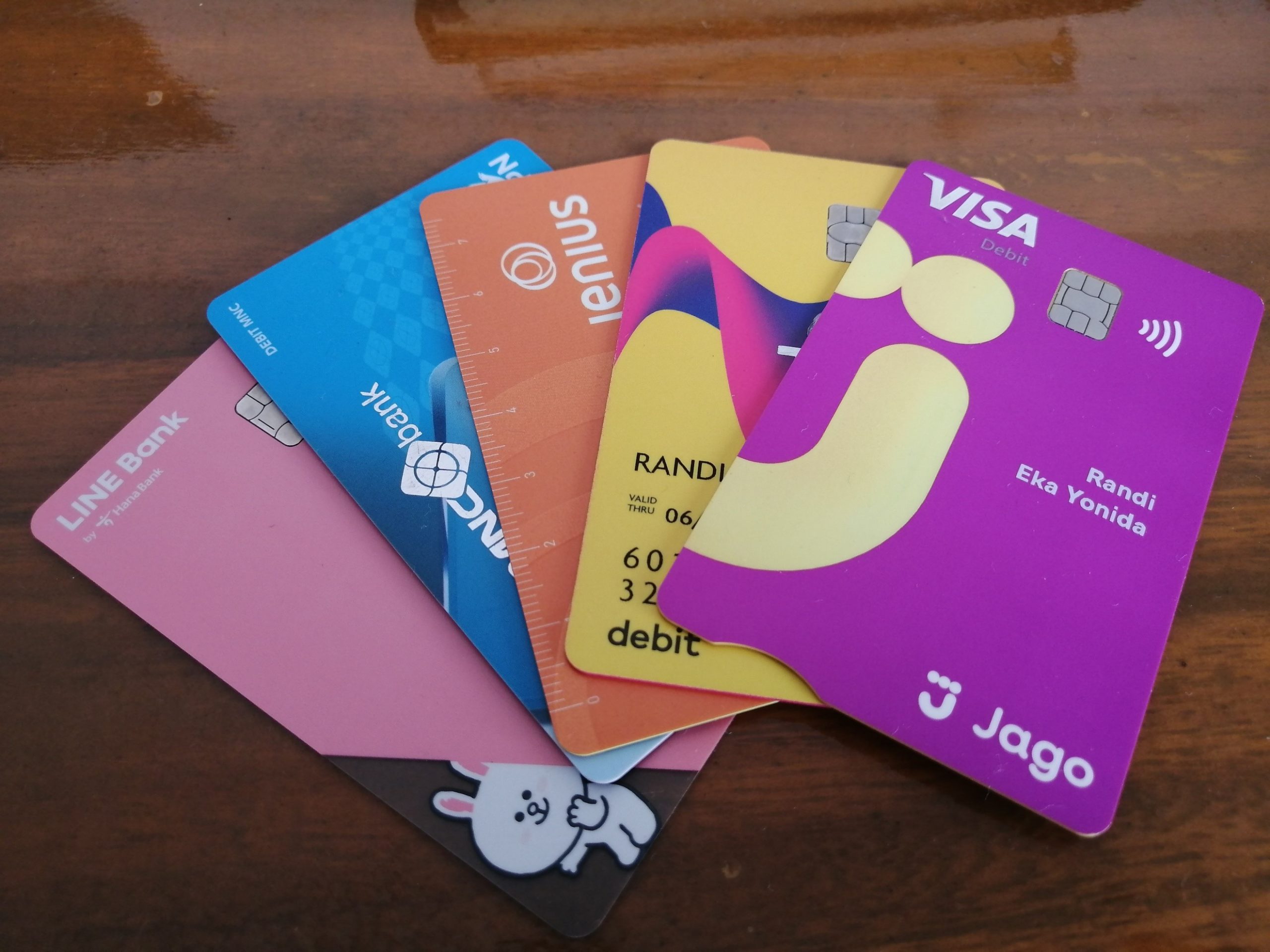
Fintech and digital banking have shifted from fast-paced experimentation toward a steadier stage characterized by industry consolidation, as thousands of startups launched over the last ten years to address specific challenges in areas such as payments, lending, wealth management, compliance, and core banking, yet now face slower expansion, tighter capital, and heightened regulatory scrutiny, making consolidation a central force shaping the sector’s trajectory.
Macroeconomic Pressure and the End of Easy Capital
One of the strongest drivers of consolidation is the shift in global economic conditions. During years of low interest rates, fintech startups benefited from abundant venture capital and high valuations based on growth rather than profitability. That environment has changed.
Rising interest rates, inflation, and tighter monetary policy have forced investors to prioritize sustainable business models. Many fintech firms now face:
- Higher costs of capital and reduced access to late-stage funding
- Pressure to demonstrate clear paths to profitability
- Downward valuation adjustments that make mergers more feasible
Consequently, dominant companies snap up smaller or financially troubled rivals at reduced prices, whereas less robust firms pursue mergers to stay afloat.
Regulatory Complexity and Compliance Costs
Regulation has become a major catalyst for consolidation, especially in digital banking. As fintech firms grow, they face regulatory scrutiny similar to that of traditional banks, including capital requirements, consumer protection rules, and data privacy obligations.
Compliance is expensive and operationally complex. Smaller firms often struggle to absorb:
- Compliance obligations and filing mandates spanning various jurisdictions
- Anti-money laundering measures and fraud detection frameworks
- Continuous oversight reviews alongside investments in regulatory technologies
Larger platforms are able to distribute these expenses across wider customer bases, and this scale advantage often drives them to acquire niche players whose technology or customer segments enrich the existing regulatory infrastructure.
Economies of Scale and the Quest for Profitability
Many fintech business models operate with very slim margins, especially within payments and digital banking, and reaching profitability typically demands substantial scale. Through consolidation, firms are able to:
- Cut down overlapping technology and operational expenses
- Strengthen negotiating leverage with payment networks and suppliers
- Promote complementary offerings such as lending, savings products, and insurance
Digital banks that previously centered their efforts on basic checking services are now purchasing lending platforms or wealth technology companies to boost the revenue generated from each customer, and these integrations enhance unit economics while reinforcing their long-term sustainability.
Customer Acquisition Expenses and Market Overcrowding
As fintech markets mature, customer acquisition has become more expensive. Early adopters have largely been captured, and competition for mainstream users is intense. Marketing costs, incentives, and referral programs now erode margins.
Consolidation supports the resolution of this challenge by:
- Combining customer bases and reducing redundant marketing spend
- Leveraging brand recognition across multiple products
- Retaining users through integrated ecosystems rather than standalone apps
This is particularly evident in consumer fintech, where multiple apps offering similar services have struggled to differentiate in saturated markets.
Technology Integration and Platform Strategies
Modern fintech is steadily shifting toward comprehensive platform ecosystems rather than isolated solutions, as banks and major fintech organizations seek fully integrated capabilities that span onboarding, payments, analytics, and compliance.
Buying niche startups frequently proves a quicker and more cost‑effective route than developing similar technology in‑house. Typical acquisition candidates include:
- Application programming interface providers
- Fraud detection and identity verification firms
- Core banking and infrastructure platforms
These acquisitions enable acquirers to deliver a broader array of solutions for consumers and businesses while speeding their path to market.
Traditional Banks as Active Consolidators
Traditional financial institutions are no longer sitting on the sidelines, and as competition from digital-native firms grows, banks have started purchasing fintech companies to revamp their services and preserve their relevance.
Banks seek fintech acquisitions in order to:
- Enhance digital user experience without rebuilding legacy systems
- Access new customer segments such as small businesses or younger users
- Adopt agile development cultures and modern data capabilities
This shift further narrows the distinction between fintech and conventional banking, helping drive deeper consolidation throughout the wider financial services landscape.
Worldwide Growth and International Merger Activity
As domestic growth slows, fintech firms seek international expansion. However, entering new markets independently is costly and risky due to local regulations and customer behavior. Cross-border mergers and acquisitions offer a shortcut.
By consolidating, companies secure:
- Established licenses and regulatory relationships
- Local market knowledge and distribution channels
- Faster scaling with reduced execution risk
This tendency becomes particularly apparent in payment services, cross-border remittances, and digital wallets functioning across diverse regions.
A More Disciplined Phase for Fintech and Digital Banking
Fintech and digital banking consolidation signals a maturing sector, where momentum shifts from aggressive growth to more deliberate, disciplined execution shaped by market conditions, regulatory pressures, and the pursuit of lasting profitability. Although the process narrows the pool of standalone firms, it also paves the way for sturdier, more adaptable institutions designed to provide broader services and sustained value. As the industry evolves, the next wave of fintech progress will likely arise not from sheer volume, but from cohesive, well-integrated platforms that combine technological flexibility with solid financial and regulatory foundations.


