
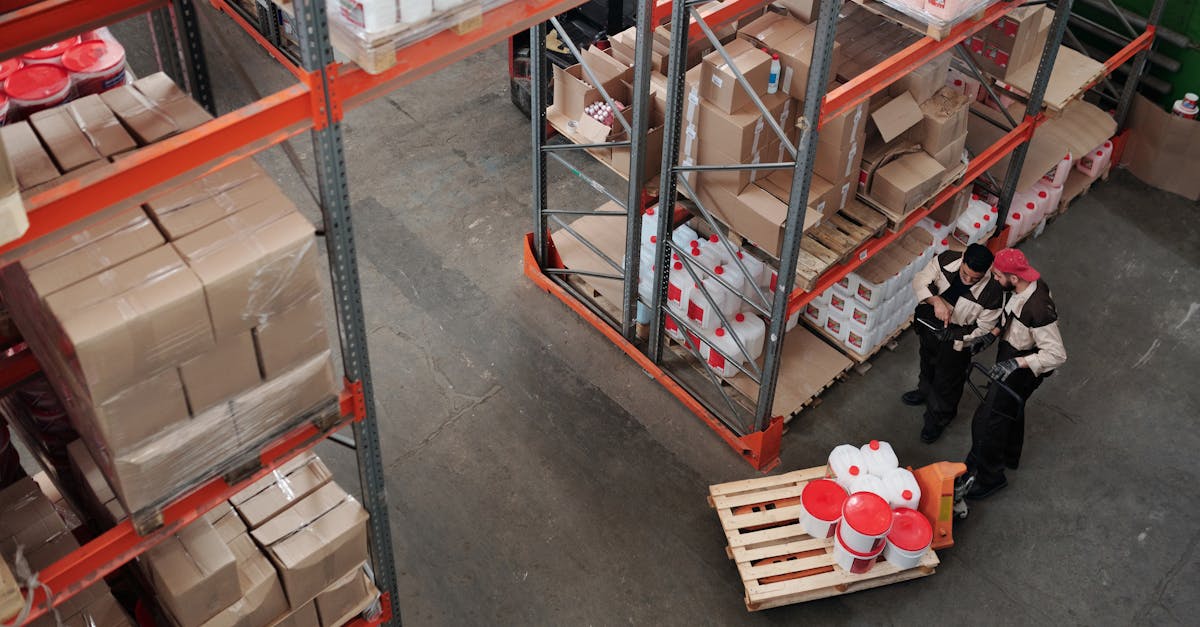
Logistics real estate has become one of the most strategic asset classes in the global economy. Its close connection to e-commerce and reshoring is not coincidental; it is the result of structural shifts in how goods are produced, stored, and delivered. As companies redesign supply chains to be faster, more resilient, and more customer-centric, demand for modern logistics facilities has accelerated.
The Importance of Logistics Real Estate Within Today’s Evolving Supply Chains
Logistics real estate includes warehouses, distribution centers, fulfillment hubs, cold storage facilities, and last-mile delivery sites. These assets form the physical backbone of supply chains, enabling the movement of goods from factories to consumers.
Modern logistics real estate stands apart from traditional industrial property by prioritizing rapid operations, adaptability, and sophisticated technology, where high-clearance spaces, automated systems, expansive truck courts, strategic access to transport hubs, and robust digital infrastructure have become expected essentials, all of which directly reinforce the requirements of e-commerce workflows and reshoring initiatives.
E-Commerce as a Primary Demand Driver
The growth of e-commerce has fundamentally reshaped how goods flow through the economy. Online retail requires inventory to be positioned closer to end consumers and processed more rapidly than in store-based models.
Key ways e-commerce drives logistics real estate demand include:
- Inventory decentralization: Instead of a few large regional warehouses, e-commerce companies operate networks of fulfillment centers to enable faster delivery times.
- Last-mile delivery needs: Same-day and next-day delivery promises require facilities near dense urban areas, increasing demand for infill logistics real estate.
- Higher throughput: E-commerce generates more individual orders, returns, and packaging activity per unit of sales, increasing space requirements.
- Automation and technology: Robotics, conveyor systems, and advanced sorting require purpose-built buildings with specific layouts and power capacity.
Major online retailers, for instance, may run dozens or even hundreds of fulfillment centers within one country, and each site typically carries a long-term lease obligation, which helps sustain steady demand for logistics real estate even when the economy slows.
Reshoring and Nearshoring Reinforce Industrial Demand
Reshoring involves returning manufacturing and assembly work to domestic markets, whereas nearshoring situates production nearer to target regions; both movements have accelerated as companies respond to supply chain instability, geopolitical uncertainty, and increasing transport expenses.
These changes drive higher demand for logistics real estate in various respects:
- New manufacturing-adjacent warehouses: Domestic producers continue to rely on storage areas for inputs, assembly parts, and completed merchandise.
- Buffer inventory strategies: Businesses maintain larger reserves of backup stock to limit exposure to disruption, which drives higher space demand.
- Regional distribution hubs: Production brought back onshore needs streamlined links to nationwide delivery networks.
For instance, manufacturers relocating production closer to consumers often build or lease logistics facilities near highways, ports, rail hubs, and labor markets. This reinforces demand for modern industrial parks and logistics clusters.
Resilience and the Strategic Importance of Risk Management
Both e-commerce growth and reshoring are responses to risk. Online retailers must meet customer expectations despite demand volatility, while manufacturers seek protection from supply disruptions. Logistics real estate plays a central role in these strategies.
Companies increasingly value:
- Redundancy: Operating several facilities across diverse areas minimizes reliance on any single location.
- Flexibility: Shorter preparation periods and versatile configurations make it easier to react swiftly to shifting market demands.
- Control over inventory: Being closer to customers and production sites enhances oversight and streamlines planning efforts.
As a result, long-term demand for well-located logistics assets has proven more resilient than many other real estate sectors.
Capital Markets and Investor Alignment
Investors understand how logistics real estate, e-commerce, and reshoring are structurally interconnected, and these sectors are increasingly viewed as mutually reinforcing. Long-term leases, reliable tenant credit, and steady rental growth have helped position logistics properties as appealing options for institutional capital.
E-commerce tenants frequently commit to long-term leases because of substantial fit-out expenses, while those tied to reshoring initiatives gain from government incentives and strategic obligations; together, these factors lower vacancy exposure and help drive asset value appreciation.
Urban Development, Infrastructure, and Strategic Location Planning
The importance of location has intensified. Logistics real estate must balance access to consumers, transportation infrastructure, and labor. Urban infill locations are critical for e-commerce, while reshoring favors sites near highways, ports, and industrial ecosystems.
Cities supported by significant infrastructure investment and favorable zoning measures often draw fulfillment centers along with returning manufacturing supply chains, further tightening the link between logistics properties and overall economic growth.
A Foundational Alliance Poised to Shape Tomorrow
Logistics real estate sits at the intersection of digital commerce and physical production. E-commerce accelerates the need for fast, distributed fulfillment, while reshoring increases demand for domestic storage and distribution capacity. Together, they redefine how supply chains are designed and where capital is deployed. The close relationship among these forces reflects a broader shift toward resilience, speed, and proximity, shaping the long-term evolution of global trade and the built environment that supports it.