The rise of TikTok has sparked a profound transformation across the fashion industry, shaping trends, broadening creative expression, and altering how brands engage with their audiences. Recognized for its quick, captivating videos, TikTok has evolved into a dynamic hub where fashion lovers and creators exchange style ideas, ignite viral movements, and set new benchmarks for the industry.
The Power of Viral Trends
Fashion on TikTok is driven by its unique capacity to generate viral content rapidly. A trend can gain traction overnight, spreading across the globe and influencing consumers’ purchasing decisions. For example, the “cottagecore” aesthetic, which emphasizes pastoral, romantic styles reminiscent of a simpler, rural life, gained immense popularity through TikTok. Users showcased outfits featuring floral prints, flowy dresses, and gentle, earthy tones, leading to a surge in demand for related items in retail outlets.
Furthermore, TikTok’s algorithm tends to highlight content that genuinely connects with viewers, enabling fashion trends to surface naturally. In contrast to platforms where visibility is often driven by substantial ad spending, TikTok frequently prioritizes originality and sincerity, giving emerging and small fashion labels the chance to engage wide audiences with very limited costs.
The Expanding Democratization of Fashion
Traditionally, fashion has been shaped by designers, celebrities, and magazines, but TikTok upends this structure by allowing anyone with a smartphone to step into the role of fashion influencer; this shift broadens who gets to participate, elevating a wider range of viewpoints and aesthetics, while enabling people to explore content from creators of varied cultural backgrounds, body types, and ages, ultimately fostering a more inclusive appreciation of diverse fashion styles.
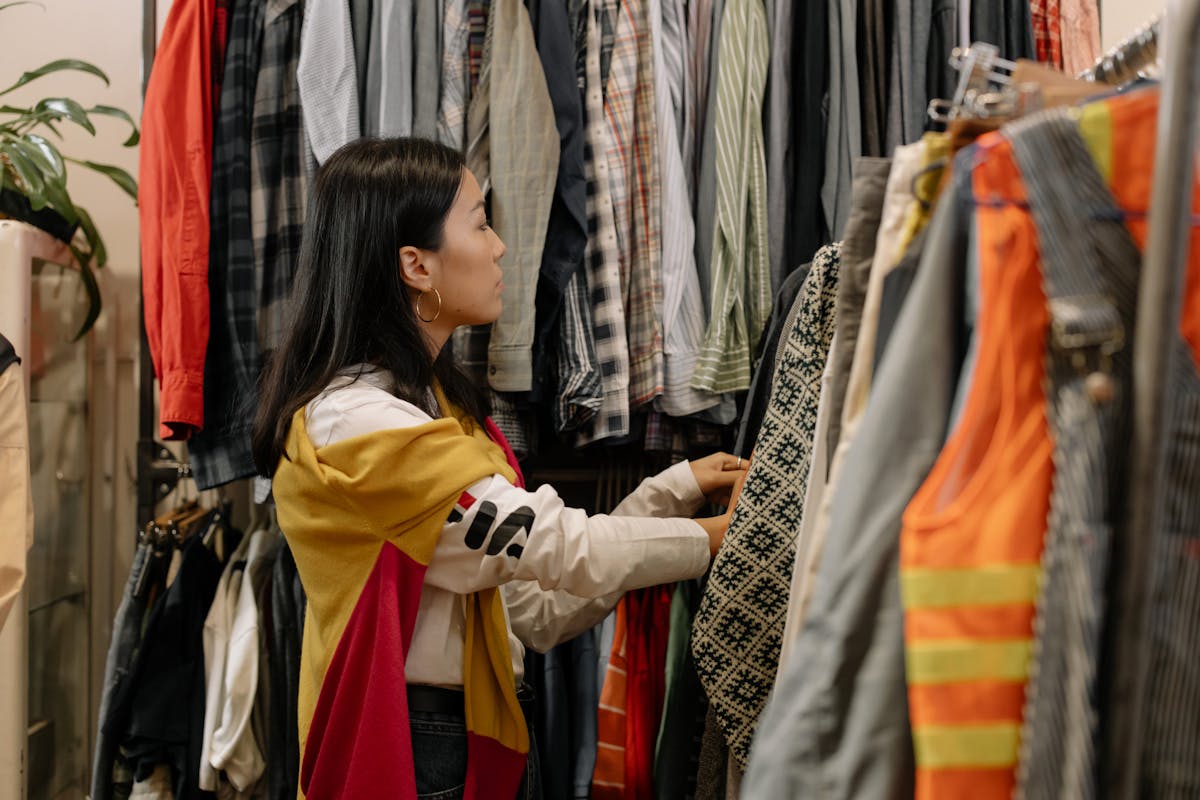
An example is the rise of thrift flipping, a practice where individuals buy second-hand clothing and modify or upcycle them into trendy pieces. TikTok’s platform has given thrift flippers a stage to inspire others to embrace sustainable fashion, reducing fast fashion’s environmental impact and encouraging viewers to creatively reimagine their wardrobe choices.
Brand and Consumer Interaction
TikTok has transformed the way brands engage with consumers by encouraging dynamic interactions through challenges, duets, and partnerships with TikTok influencers, allowing companies to build stronger ties with their intended audiences. This participatory setting nurtures a shared sense of community and belonging among users, ultimately boosting both loyalty and engagement toward the brand.
For instance, several fashion brands have successfully leveraged TikTok’s platform to host fashion challenges that invite users to recreate looks using their products. Such initiatives not only increase brand visibility but also encourage user-generated content, expanding the brand’s reach without traditional advertising costs.
Content Crafted by Influencers and Users
Influencers on TikTok hold significant power in directing fashion trends, as these creators from diverse niches can shape their followers’ style preferences with just a brief post. The genuine nature of TikTok influencers often connects more strongly with audiences than traditional celebrity promotions, since their content usually feels more accessible and grounded.
User-generated content plays a crucial role in shaping TikTok’s fashion impact, as individuals who showcase their outfits or join fashion-driven trends continually reshape the platform’s dynamic style ecosystem. This open participation ensures that users do more than simply view content; they actively become creators who broaden and challenge traditional fashion conventions.
Through its ability to quickly disseminate content and engage users on a personal level, TikTok stands as a catalyst for change in the fashion industry. The platform has empowered individuals to shape fashion trends, created pathways for smaller brands, promoted sustainability through practices like thrift flipping, and fostered a digital community where fashion is more inclusive and experimental than ever.