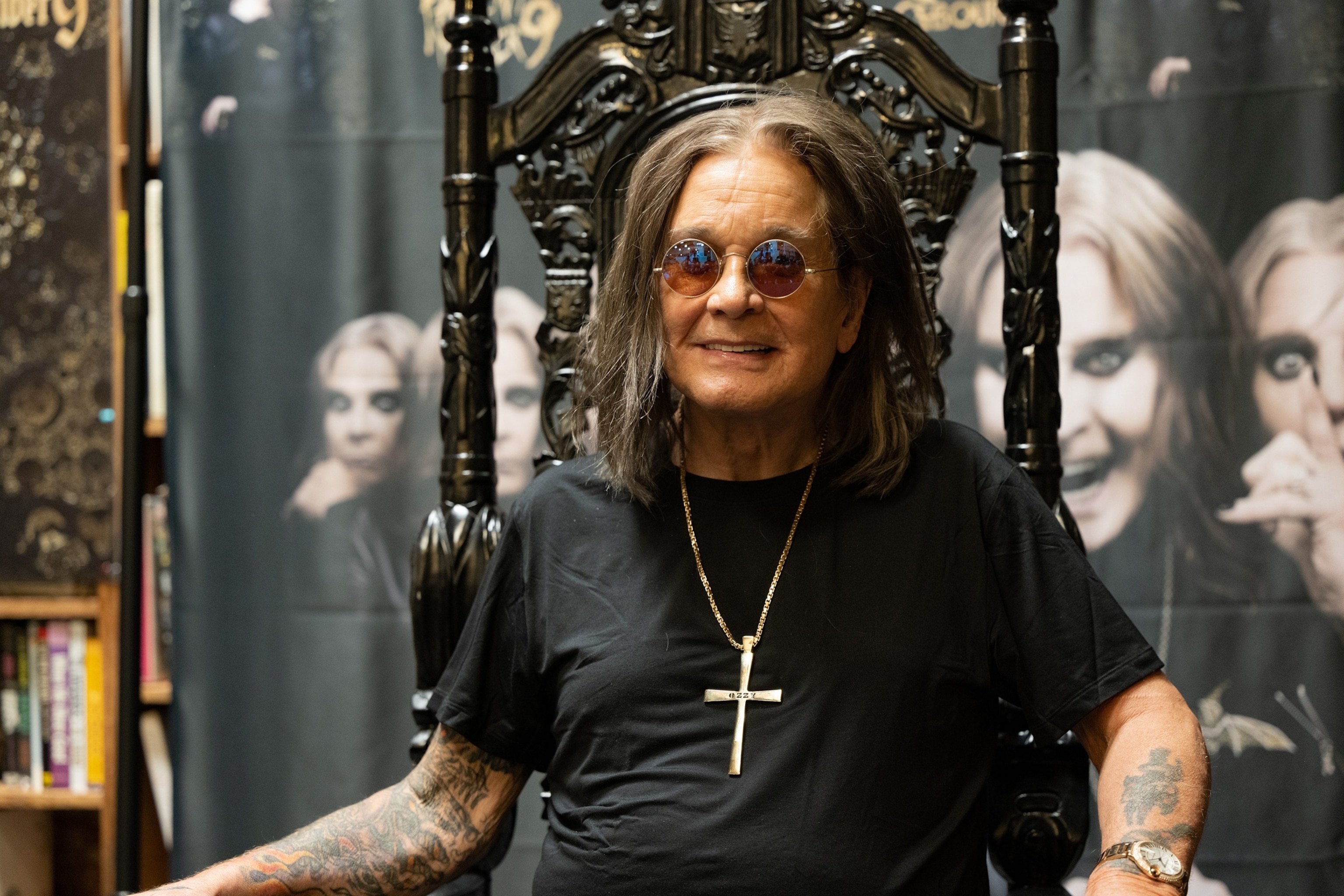
As one of the most influential and controversial figures in rock history steps away from the stage for good, the global music community has come together to celebrate the legacy of Ozzy Osbourne. The announcement of his permanent retirement from live performances has sparked an outpouring of tributes from fellow musicians, actors, and fans across the world, each echoing a similar sentiment—there simply will never be another artist like him.
Ozzy Osbourne’s professional journey extends across more than fifty years, highlighted by numerous legendary events. Gaining prominence as the lead singer of Black Sabbath during the late 1960s, he was instrumental in developing a more intense and weighty sound that would eventually set the groundwork for heavy metal as a music category. With evocative lyrics, powerful guitar work, and a unique stage persona, Osbourne went beyond merely playing music—he forged an ambiance that redefined the potential of rock.
The impact of his pioneering in music continues to be experienced today. Bands like Metallica, Slipknot, and Iron Maiden, along with many current hard rock groups, acknowledge Osbourne and Black Sabbath as their first and most pivotal inspirations. His readiness to test new grounds, challenge conventions, and his captivating unpredictability encouraged newer generations of artists to explore limits and celebrate their creative liberty.
In the wake of his retirement, tributes have poured in across social media and in interviews. Rock legends and pop icons alike have spoken out, offering their appreciation for Osbourne’s contributions to music and culture. Many have described him as a fearless innovator—someone who wasn’t afraid to be loud, to be different, to be himself. Artists have shared personal memories of meeting him backstage, of hearing Black Sabbath for the first time, or of simply watching him perform with a kind of energy that made audiences feel both electrified and strangely understood.
Perhaps what makes Osbourne so beloved, beyond the music, is the vulnerability and honesty he brought to his career. While his on-stage persona was wild and theatrical, off-stage he never shied away from talking about his struggles with addiction, mental health, and the physical toll that years of touring had taken on his body. Over the years, these admissions only deepened the admiration many felt for him—he was real, flawed, and human, yet somehow still larger than life.
Osbourne’s statement followed an enduring and open fight against medical problems such as a Parkinson’s diagnosis and spinal injuries. These hurdles have progressively complicated his ability to tour, resulting in the cancellation of numerous concerts and ultimately to his conclusion to retire entirely from live performances. In a note to his supporters, he conveyed profound sorrow for being unable to deliver the performance they merited, but also expressed appreciation for the many years of steadfast support he has received globally.
The reaction from fans has been astonishing—filled with affection rather than letdown. Throughout various channels, individuals are recounting tales of their initial concert, the first moment they listened to a Black Sabbath album, or how his music supported them during challenging periods. To numerous people, Osbourne’s creations were more than mere amusement; they served as a form of emotional release, a voice that comprehended isolation, rage, and endurance.Although his influence extends beyond music, Osbourne’s presence in popular culture remains significant. His reality television series, The Osbournes, offered audiences an unfiltered and comedic glimpse into his personal life, endearing him to a fresh group of fans and revealing a gentler, family-oriented aspect of the man known as the “Prince of Darkness.” The show’s popularity contributed to redefining masculinity in rock music—demonstrating that it could be both strong and compassionate, unconventional yet profoundly loving.
Although Osbourne might be stepping away from live performances, he has emphasized that he is not vanishing completely. His latest records have been met with critical acclaim, and he remains active in working with musicians in various styles. There are also rumors about future studio projects, autobiographies, and other artistic ventures in the future. In typical Ozzy style, the chapter on touring might have ended, but his narrative continues.
What stands out in this moment is the extraordinary breadth of those paying tribute—not just heavy metal titans, but mainstream pop stars, punk bands, and indie musicians. That speaks volumes about Osbourne’s reach. His influence transcended genre. He brought theatricality to music in a way that few others have, and he did it while remaining fundamentally himself. He didn’t change to fit the world; he changed the world to fit him.
The respect being displayed currently also reveals a deeper reality: artists like Ozzy Osbourne are rare. He wasn’t merely a vocalist in a group; he symbolized a movement. He set forth a unique style, musical identity, and essence that will endure beyond his own existence. Some musicians amuse, while others shape entire eras—Ozzy was undoubtedly in the latter category.
In his parting words, Osbourne expressed his appreciation to his supporters, his relatives, and his enduring partners for their unwavering support during both good times and challenging moments. However, it’s evident that appreciation is mutual. Followers and fellow musicians are thankful for the music, the sincerity, and the encouragement to embrace their true selves—boldly, confidently, and without any concessions.
As tributes continue to come in, one thing remains certain: Ozzy Osbourne’s legacy is secure. His music will continue to be played in dark clubs, festival stages, garages, and headphones around the world. His story will be told to new fans for generations to come. And his voice, unmistakable and unforgettable, will echo through the halls of rock history as one of its most essential.
Though the era of Ozzy on stage may be ending, the spirit of what he created endures. And in the words of many who knew him, worked with him, or simply admired him from afar—there truly will never be another Ozzy.