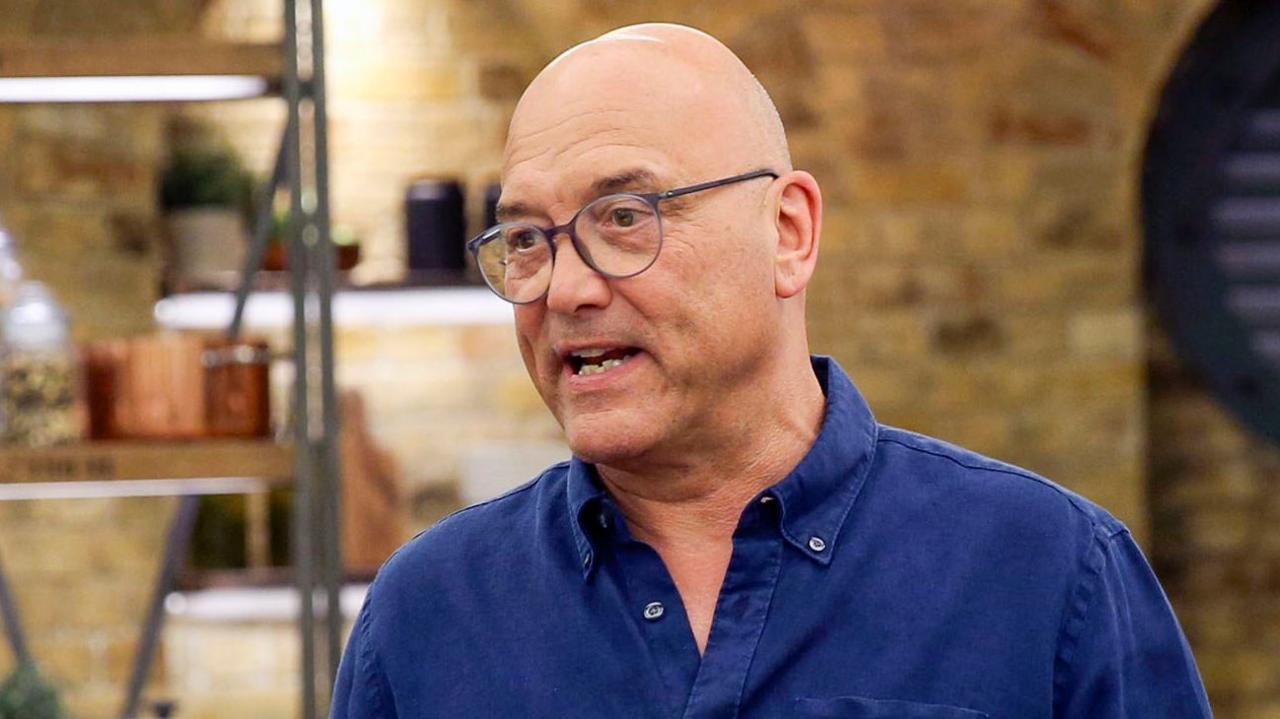
In recent days, television personality and presenter Gregg Wallace has come under public scrutiny following comments he made while discussing his autism diagnosis. The remarks, which he shared during a media interview, have generated considerable backlash on social media and among disability advocacy groups, sparking an ongoing conversation about how public figures communicate about neurodiversity.
Gregg Wallace, widely recognized for his position as co-presenter on the enduring TV show “MasterChef,” has candidly shared in recent years about discovering he was diagnosed with autism later in his life. In several interviews, he has openly discussed how this diagnosis provided him insight into his own identity and some of the difficulties he has encountered, both in his personal and work life. Wallace has frequently mentioned that understanding his autism has clarified his previous experiences, such as social miscommunications and challenges adapting to new situations.
Nevertheless, the disagreement arose when Wallace made comments indicating that certain past actions—seen by others as harsh or intolerant—ought to be understood in the context of his autism. Although Wallace seemed to be trying to increase awareness and clarify his actions, detractors swiftly raised objections that such statements could perpetuate damaging stereotypes or provide an overly simplistic account of intricate interpersonal interactions.
The reaction was swift. Social media platforms were flooded with commentary from individuals within the autism community, as well as from disability advocates and mental health professionals. Many expressed disappointment, arguing that while raising awareness about autism is important, using it as an excuse for potentially disrespectful or rude behavior sends the wrong message and can contribute to misunderstandings about what autism is and how it manifests.
Among the primary criticisms was the idea that individuals on the autism spectrum, like anyone else, are responsible for their actions. Some commentators emphasized that suggesting otherwise risks perpetuating a narrative that people with autism are inherently difficult, insensitive, or socially inappropriate—stereotypes that can lead to further marginalization. Several people pointed out that while social communication differences are common in autism, this does not absolve anyone from being mindful of how their words and actions affect others.
In response to the backlash, Wallace released a subsequent statement to clarify his intentions. He expressed sorrow that his remarks might have been offensive or misinterpreted, emphasizing that his aim was to highlight his personal experiences rather than justify any previous actions. Wallace also highlighted his backing for increased awareness of neurodiversity and conveyed his hope that his candidness might inspire others to seek assistance or feel less isolated in their own situations.
The occurrence has ignited broader debates concerning the accountability of public personalities when discussing medical or neurological conditions. With a vast audience and significant media influence, stars have the power to sway public opinions, sometimes resulting in unexpected outcomes. Regarding autism, a condition still largely misapprehended despite growing awareness, the manner in which it is depicted can deeply affect those who experience it.
Autism spectrum disorder encompasses a wide range of experiences, abilities, and challenges. While some people with autism may struggle with social communication or sensory sensitivities, others may not exhibit these traits in the same way. This diversity is why many in the community prefer the term “spectrum”—to highlight the fact that no two individuals on the spectrum are exactly alike. Simplifying autism to a set of behavioral quirks or using it to rationalize interpersonal conflicts can therefore undermine efforts to promote nuanced understanding and acceptance.
Disability rights advocates have long emphasized the importance of distinguishing between explanation and justification. While it is valuable for individuals to share how their neurodivergence shapes their experiences, this sharing must be done thoughtfully, with an awareness of the broader implications. When prominent figures speak without this sensitivity, the result can be a reinforcement of myths rather than the promotion of meaningful understanding.
The situation involving Wallace is not unique. In recent years, several high-profile individuals have spoken publicly about their diagnoses of autism, ADHD, and other neurodivergent conditions. These disclosures can play an important role in normalizing conversations around mental health and neurological differences, especially when handled with care and humility. However, the backlash faced by Wallace serves as a reminder that public narratives about disability must be balanced, informed, and respectful of the lived experiences of others.
A significant learning from the dispute is the value of paying attention to the opinions of those who are genuinely members of the community being addressed. Numerous autistic individuals used social media platforms to express their viewpoints, underscoring the necessity for both truthfulness and precise portrayal. Some emphasized that although they welcome greater visibility, they also wish to guarantee that this recognition does not result in perpetuating clichés or justifying debilitating actions.
Additionally, the conversation has reignited discussions about the role of the media in framing stories related to disability. Headlines that sensationalize or oversimplify complex issues can contribute to public misunderstanding. Journalists, editors, and broadcasters have a role to play in ensuring that coverage of autism and other conditions is accurate, balanced, and free from stigmatizing language.
Wallace’s journey illuminates the obstacles encountered by those who are diagnosed later in their lives. For numerous adults, discovering they have autism may provide relief and insight into themselves, yet it can also evoke emotions of remorse or puzzlement concerning previous relationships and social encounters. Reflecting on earlier experiences and attempting to understand them through the lens of a new diagnosis is not unusual. Nonetheless, mental health experts advise that this exploration should be approached with kindness to oneself, while also upholding responsibility for personal behavior.
The controversy has prompted some organizations to call for increased education and resources for public figures who choose to disclose personal medical information. With the right guidance, these individuals can become powerful advocates for change, using their platforms to promote acceptance and inclusion rather than inadvertently causing harm. Training in disability awareness and communication strategies could help prevent missteps like the one that sparked the backlash against Wallace.
For admirers of Gregg Wallace, the situation offers a nuanced opportunity for introspection. Numerous individuals have shown ongoing encouragement for the TV host, appreciating his openness about his autism diagnosis as a beneficial move. Simultaneously, they acknowledge the importance of heightened empathy and comprehension when addressing matters that are deeply personal and frequently misinterpreted.
This scenario emphasizes a wider cultural change towards increasing openness about mental health and neurodiversity. As the public gains greater understanding of conditions such as autism, ADHD, and dyslexia, the depiction of these conditions in media and by prominent individuals becomes progressively significant. Positive and precise portrayal can aid in breaking down stigma and encouraging a more inclusive atmosphere for individuals with all types of neurological differences.
Fundamentally, the criticism directed at Wallace highlights a conflict between two significant principles: the pursuit of personal genuineness and the obligation to steer clear of reinforcing damaging stereotypes. Public individuals who narrate their experiences have the potential to motivate others and foster crucial societal discussions, yet these narratives should be conveyed thoughtfully, with consideration, and an understanding of the wider influence their statements might carry.
For numerous individuals in the autism community, this occurrence provides a chance to inform the public about what life with autism entails, including both the difficulties and the positive aspects. Furthermore, it highlights the significance of paying attention to and uplifting the voices of those with firsthand experience rather than depending solely on famous personalities.
In the end, Wallace’s decision to speak about his autism diagnosis remains significant. It opens doors to discussions that are often avoided or misunderstood. Yet, as this controversy demonstrates, such conversations must be approached thoughtfully, with a commitment to accuracy, empathy, and accountability. By learning from this moment, both Wallace and the wider public can take meaningful steps toward building greater awareness, understanding, and respect for neurodiverse individuals everywhere.