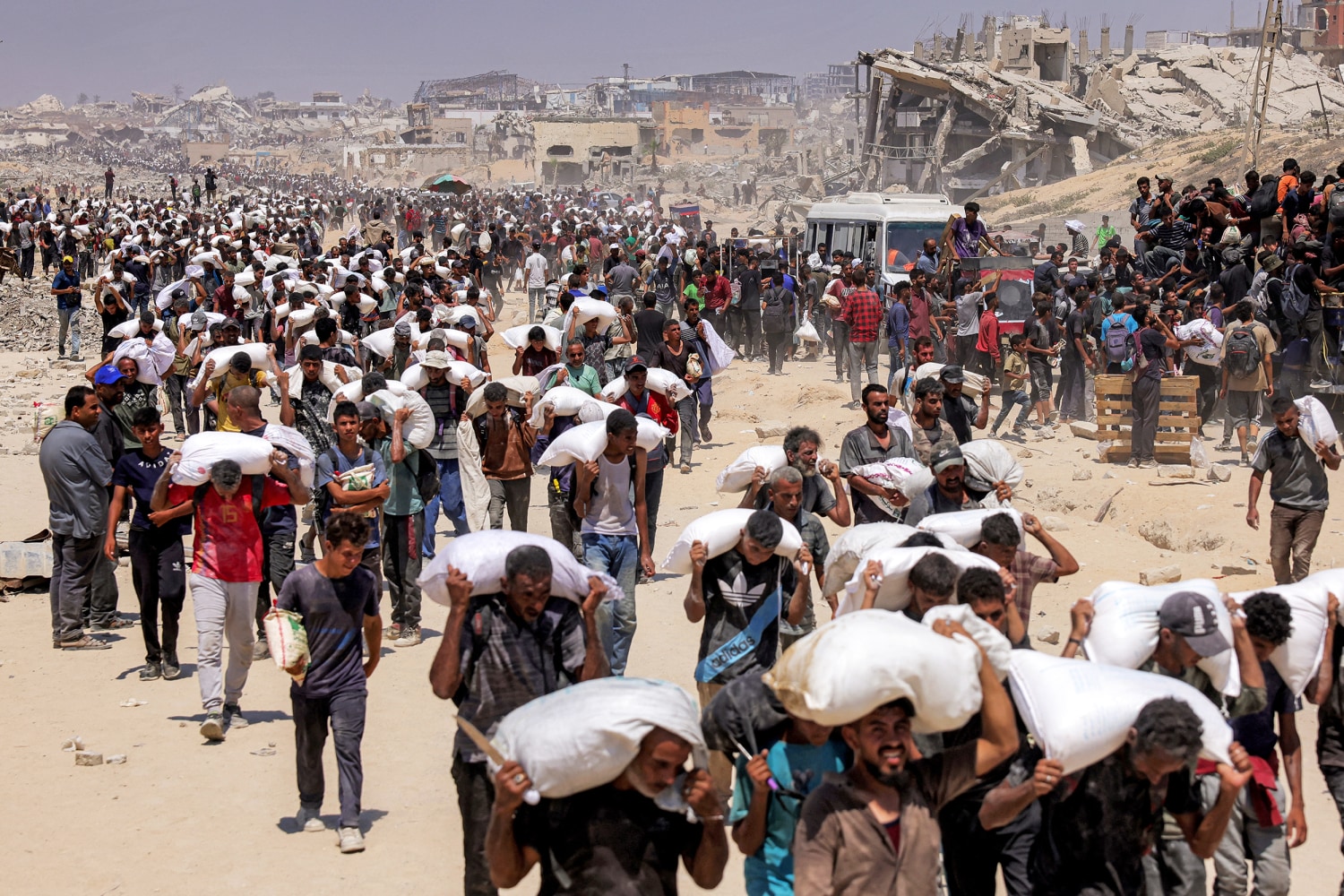
Following Israel’s announcement that it would ease restrictions on the delivery of humanitarian aid into Gaza, observers around the world have been closely monitoring whether this policy shift has translated into measurable improvements on the ground. Amid the ongoing conflict and humanitarian crisis, questions persist about how much assistance is actually reaching civilians in need and whether the promised changes in access have resulted in meaningful relief.
Despite official statements indicating a willingness to expand aid access, delivery efforts remain complex and constrained. Reports from international aid agencies, non-governmental organizations, and on-the-ground observers paint a picture of a logistical system still operating under significant limitations, from security concerns to infrastructure challenges.
This piece examines the extent of humanitarian aid that has arrived in Gaza following Israel’s announcement, the ongoing challenges to distribution, and the wider consequences for civilians trapped in a prolonged crisis.
In early statements, Israeli officials said they would allow more aid to flow into Gaza, particularly through the Kerem Shalom and Rafah crossings. The announcement came under international pressure to address worsening humanitarian conditions amid ongoing hostilities. The intended aim was to increase the volume of food, medical supplies, fuel, and other essential goods reaching Gazans through coordination with international partners.
Nonetheless, several humanitarian organizations have observed that although there have been some enhancements in aid deliveries, the magnitude of the assistance is significantly less than what is necessary to address immediate necessities. Observations show that the number of trucks entering Gaza each day has been erratic, frequently not reaching the pre-conflict norms and substantially beneath what is needed to satisfy present requirements.
Prior to the escalation of violence, estimates suggest that over 500 aid trucks entered Gaza on a typical day. Since the easing announcement, the number of aid trucks has fluctuated dramatically, with some days seeing fewer than 100 trucks cleared for entry. These levels, while representing a modest improvement over the early weeks of the conflict, remain insufficient for the territory’s densely populated and deeply affected civilian population.
Numerous logistical and administrative hurdles continue to obstruct the smooth delivery of humanitarian aid. Primarily, the rigorous security checks at border crossings frequently cause delays or refusal of shipments. Israeli authorities insist that these checks are essential to stop weapons smuggling and ensure that assistance goes to civilians instead of armed groups. However, humanitarian organizations contend that these measures often lead to crucial supplies being withheld or substantially delayed.
Moreover, coordination between various stakeholders—including Israeli authorities, Egyptian border agencies, the United Nations, and aid organizations—has proven to be slow and fragmented. Miscommunication and procedural gaps have reportedly caused some convoys to wait for days before being allowed entry or redirected without clear justification.
The damage to infrastructure throughout Gaza has heightened the difficulties. With roads in disrepair, buildings that have fallen, and a lack of fuel, distribution within the area has become extremely challenging. Although goods might pass through border checks, making sure they get to the planned beneficiaries—especially in the northern and central regions of Gaza—demands further organization and safety assurances that are not consistently available.
According to data provided by the UN Office for the Coordination of Humanitarian Affairs (OCHA), food insecurity is affecting a growing number of households, with some communities receiving aid sporadically or not at all. Despite Israeli claims of easing access, there remains a substantial gap between need and delivery.
The World Health Organization (WHO) and Médecins Sans Frontières (Doctors Without Borders) have reported limited success in delivering medical aid to Gaza’s hospitals. In some cases, surgical supplies and trauma kits have reached medical facilities, but distribution has been patchy and far from systematic.
These humanitarian groups emphasize that without consistent and large-scale access to Gaza, including unimpeded fuel deliveries for hospitals and water pumps, the crisis will only worsen—regardless of public statements from the Israeli government regarding eased restrictions.
The international community has continued to press for expanded humanitarian access, including through high-level diplomatic talks with Israeli officials. The United States, the European Union, and various UN bodies have emphasized the importance of sustained, safe, and rapid aid deliveries, urging Israel to streamline border clearance processes and allow for the uninterrupted movement of goods.
While there has been acknowledgment of some progress—such as the reactivation of certain aid corridors and temporary ceasefire windows to allow convoys—many international actors remain skeptical about the long-term viability of these arrangements. They argue that ad hoc improvements are no substitute for a durable, predictable, and fully coordinated humanitarian system.
Discussions have taken place on the possibility of opening more crossing points or creating a sea-based aid route. However, making this a reality has been challenging due to the persistent conflicts and lack of trust among the parties concerned.
A challenging aspect in evaluating the genuine effects of Israel’s policy alteration is the absence of reliable and clear information regarding the aid being provided and its final destinations. Although Israel’s military and civil administration provide figures on the number of aid trucks permitted into Gaza, independent monitors face restrictions in confirming the extent to which this assistance reaches those in need.
In the same way, aid organizations encounter challenges in recording their distribution activities because of movement limitations, communication interruptions, and safety issues concerning their personnel.
Without dependable data, accounts of aid distribution usually become subject to political agendas, with differing assertions from Israeli representatives, Palestinian leadership, and humanitarian groups. This lack of information makes it challenging to align responses, evaluate requirements correctly, and ensure accountability for blocking or misappropriating aid.
Although Israel’s announced loosening of limitations marks progress in recognizing the humanitarian aspects of the conflict, the actual results have yet to meet expectations. To achieve significant alleviation, those involved must tackle both the immediate logistical hurdles and the more enduring structural obstacles to providing assistance.
Key priorities include:
- Expanding and streamlining access at border crossings
- Ensuring the protection of humanitarian workers and convoys
- Restoring and securing internal infrastructure within Gaza
- Coordinating efforts across governments, NGOs, and international agencies
- Establishing transparent monitoring systems to track aid from entry to distribution
Without these measures, the humanitarian crisis in Gaza is likely to persist, with devastating consequences for civilians caught in the conflict.
Since Israel announced plans to ease restrictions on humanitarian access to Gaza, the flow of aid has increased slightly, but not nearly to the level required to meet critical needs. Ongoing security measures, damaged infrastructure, administrative delays, and lack of coordination have all contributed to a system that remains overwhelmed and under-resourced.
Humanitarian organizations persist in their appeals for stronger and ongoing commitments from all stakeholders, emphasizing that only a unified and non-political strategy for assistance can avert further worsening of the humanitarian conditions. Meanwhile, the civilian population of Gaza will keep enduring the consequences of a crisis that remains unresolved by policy adjustments alone.