
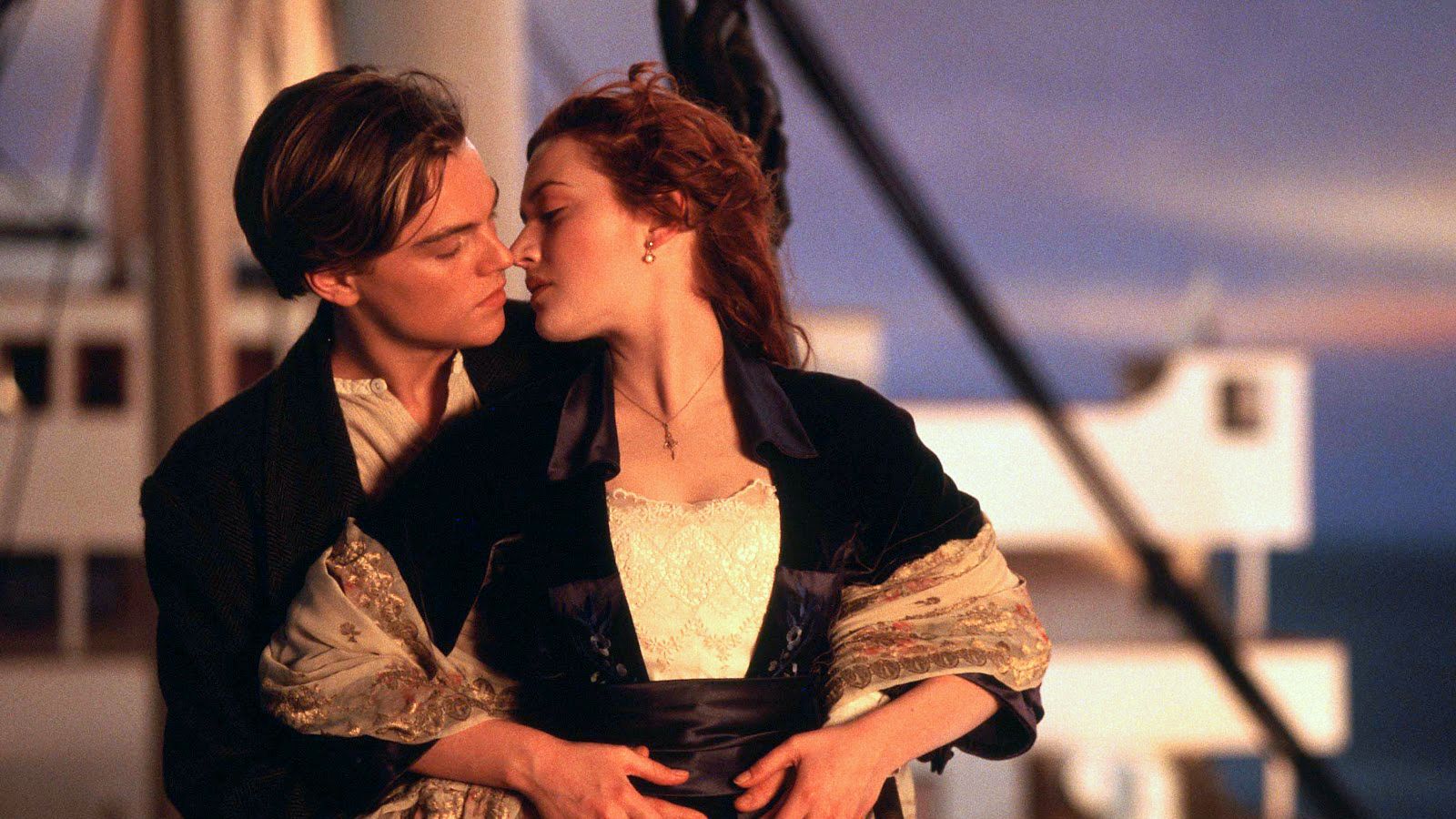
Released in December 1997, James Cameron’s Titanic became far more than a commercial triumph—it fundamentally altered the trajectory of cinema itself. The film’s extraordinary achievements profoundly influenced production methodologies, corporate approaches to filmmaking, and what viewers anticipated from entertainment during the final years of the twentieth century and thereafter. Through careful examination of its multifaceted impact, we gain deeper insight into the enduring legacy that Titanic carved into the cinematic landscape of the 1990s.
Production Values and Technical Innovation
One of Titanic’s most profound influences lay in its technical ambition. With a then-astronomical estimated budget of $200 million, the film set new standards for production scale and realism. Studios noticed Cameron’s meticulous attention to detail—from the reconstruction of the ship, which utilized historical blueprints to ensure authenticity, to the groundbreaking use of digital effects for sprawling crowd scenes and the harrowing sequence of the sinking.
Following Titanic’s triumph, major studios greenlit numerous high-budget productions, including Armageddon (1998) and Pearl Harbor (2001), which embraced comparably ambitious methodologies. The fusion of tangible effects alongside digital technology—particularly the groundbreaking deployment of water tanks paired with computer-generated imagery—established new standards across the industry. Such technological breakthroughs not merely deepened viewer engagement but motivated production companies to prioritize spectacle-laden cinema during the remainder of the 1990s.
The Economics of Box Office Performance in a Globalized World
Titanic fundamentally altered perceptions regarding the financial potential of cinema. The film achieved a historic milestone by becoming the inaugural production to breach the $1 billion threshold in worldwide box office receipts, ultimately accumulating more than $2.2 billion as subsequent re-releases propelled its earnings further. Its remarkable staying power—commanding the top position across North American theaters for an uninterrupted 15-week stretch—prompted industry professionals to reconsider conventional assumptions about film longevity and distribution approaches. Before Titanic emerged, typical blockbusters witnessed considerable audience attrition following their debut weekends; however, Cameron’s monumental work sustained viewer interest through compelling audience recommendations and extensive press attention.
This phenomenon catalyzed a trend toward international marketing and staggered release schedules, maximizing revenue from emerging global markets. Studios realized the lucrative potential of targeting non-English speaking audiences, influencing the promotional and distribution strategies of other notable 1990s blockbusters such as The Matrix (1999) and Star Wars: Episode I – The Phantom Menace (1999).
The Blending of Genres and Innovative Narrative Approaches
While Titanic is an epic disaster tale, it is anchored by a sweeping romance between Jack and Rose. This blend of genres—historical drama, romance, and action—broadened the film’s appeal across demographic lines. The fusion encouraged other filmmakers to imitate this strategy, believing that cross-genre narratives could attract both critical and commercial success.
Films such as Moulin Rouge! (2001) and The Mummy (1999) followed suit, incorporating romance and action with vibrant period settings. Titanic’s narrative approach, which used a historical tragedy as the frame for a personal, fictional love story, set a blueprint for later films intertwining personal drama with factual backdrops.
Music and Cross-Media Branding
The haunting melody of “My Heart Will Go On,” performed by Celine Dion, became inextricably woven into Titanic’s identity. James Horner’s compositional work, combined with the film’s strategic deployment of music, amplified the significance of soundtracks within movie marketing campaigns. This song’s remarkable commercial performance, which dominated charts across the globe, inspired studios to allocate resources toward original compositions crafted as marketing instruments.
Comparable approaches emerged throughout the 1990s and into the early 2000s, ranging from Whitney Houston’s rendition of “I Will Always Love You” featured in The Bodyguard to Aerosmith’s “I Don’t Want to Miss a Thing” showcased in Armageddon. The symbiotic relationship between film and music was recognized by studios, who capitalized on hit singles as a means to amplify a picture’s reach and cultural footprint.
The Emergence of Celebrity Culture and Its Growing Influence
Leonardo DiCaprio and Kate Winslet, while established actors before Titanic, ascended to global superstardom with the film’s success. This catapulted a trend toward casting emerging actors in major roles to refresh the appeal of blockbuster films. DiCaprio’s meteoric rise, particularly, led to the so-called “Leo-mania,” signifying an era where young actors could become box office draws overnight.
Following this pattern, Hollywood in the 1990s increasingly sought to match relatable or charismatic young stars with high-concept premises. Notable examples include Matt Damon and Ben Affleck in Good Will Hunting (1997) and Jennifer Love Hewitt in I Know What You Did Last Summer (1997), reflecting a newfound faith in fresh faces to headline major projects.
Critical Acclaim and Award Recognition
At the 70th Academy Awards, Titanic matched Ben-Hur‘s record as the film receiving the greatest number of Academy Awards in a single year, securing 11 statuettes that encompassed Best Picture and Best Director among them. The film’s remarkable success at both the box office and in critical circles established a template for subsequent “event films” capable of satisfying moviegoers and industry professionals alike.
Subsequent films attempting to replicate this feat included Gladiator (2000) and American Beauty (1999), both aiming for broad appeal without sacrificing artistic quality. This trend underlined the late 1990s philosophy that commercial and critical successes were not mutually exclusive.
Cultural Influence and Audience Engagement
What surrounded Titanic transcended the boundaries of movie theaters by a considerable margin. Themed exhibitions, merchandise collections, and reenactments proliferated throughout popular culture; audiences who cherished the film immersed themselves in the narrative via magazines, fan fiction, and rapidly expanding internet communities. The rise of digital fan engagement, propelled forward by Titanic’s widespread appeal, anticipated the interactive dynamics that would define contemporary media consumption.
Iconic lines from the picture, including “I’m the king of the world!”, became embedded in popular culture. Television shows, commercials, and later movies featured numerous tributes, reimaginings, and allusions that maintained the film’s prominent position in the public imagination. Such extensive cultural penetration had seldom been witnessed throughout film history, demonstrating the remarkable capacity of cinema to influence shared memory and experience across multiple generations.
Case Studies: Lasting Ripple Effects
Several studios attempted to replicate the Titanic formula. Fox’s own Anastasia (1997) and DreamWorks’ The Prince of Egypt (1998) featured lush animation, sweeping orchestrations, and epic narratives. While these did not match Titanic’s commercial performance, the pattern of high-stakes production and broad audience targeting remained prevalent.
Additionally, the disaster genre experienced a renaissance, with films like Deep Impact (1998) and The Perfect Storm (2000) emphasizing dramatic tragedies interwoven with human stories. These examples reveal direct lines from Titanic’s influence to subsequent creative and business decisions across the industry.
Through a redefinition of technical ambition, a reshaping of promotional strategies, a reinvigoration of genre conventions, and the strategic deployment of cross-media branding, Titanic emerged as a defining watershed in 1990s cinema. The film’s far-reaching influence demonstrated that technological advancement and profound emotional narratives could flourish together within blockbuster productions, catalyzing an influx of comparable works and fundamentally shifting what audiences anticipated from their cinematic encounters. The result transcended mere filmography; it functioned as a transformative force that propelled the evolution of both the artistic and commercial dimensions of the medium.