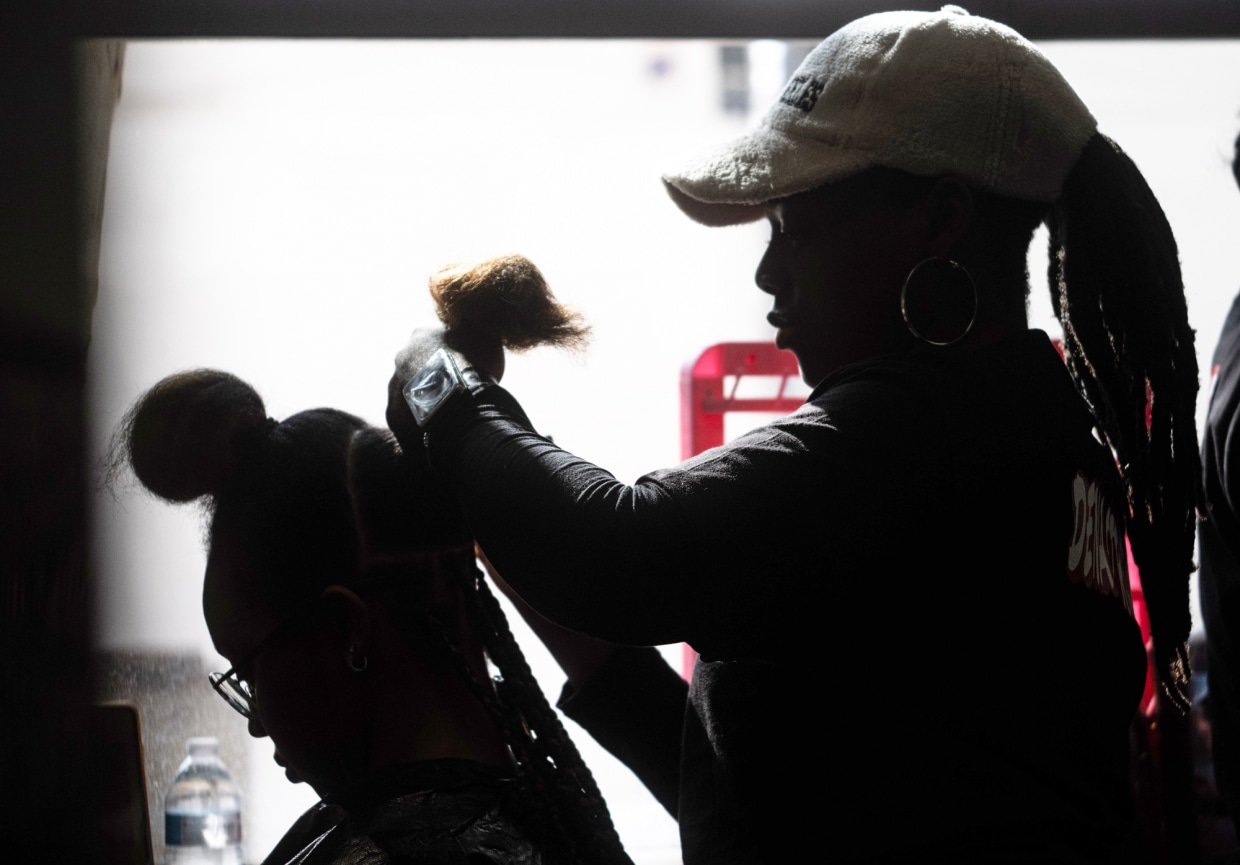
In recent months, increasing scrutiny has been directed toward certain hair care products commonly marketed to Black women, particularly those containing potentially cancer-causing chemicals. Federal lawmakers have begun taking formal steps to address these concerns, drawing attention to the potential health disparities fueled by a lack of regulation in the personal care industry.
Este impulso surge como respuesta a la creciente evidencia científica y la creciente preocupación pública. Las investigaciones han indicado que muchos alisadores, cremas para alisar y otros productos de uso común pueden contener sustancias químicas que alteran el sistema endocrino o carcinógenos. La preocupación es especialmente relevante dado el uso desproporcionado de estos productos por mujeres negras, quienes a menudo son el objetivo de campañas de marketing que promueven estándares de belleza asociados con el cabello lacio.
Several members of Congress are now advocating for regulatory reforms and demanding further investigation into the health risks associated with prolonged use of certain hair care formulations. Their goal is twofold: to hold companies accountable for the safety of their ingredients and to better protect communities that are more likely to be exposed due to targeted advertising and long-standing beauty norms.
Imbalanced visibility and new information
Recent scientific studies have linked frequent use of chemical hair straighteners to an increased risk of hormone-related cancers, including uterine and breast cancer. While these associations are still under investigation, the research has raised enough alarm to prompt both medical professionals and legislators to call for immediate attention.
A research article issued by the National Institutes of Health (NIH) discovered that females who consistently utilized chemical straighteners had over two times the likelihood of getting uterine cancer compared to those who did not use them. Notably, the scientists observed that Black women tend to employ these products starting at a younger age and more frequently, increasing their risk.
Although there is an increasing amount of research, numerous products continue to be available for purchase, frequently featuring labels that fail to clearly disclose important details about their chemical composition. Components like formaldehyde, parabens, phthalates, and other potentially harmful elements are present in a range of hair care products, from treatments for straightening to leave-in conditioners and styling gels.
Legislative action gains traction
In reaction, a coalition of legislators—headed by individuals from the Congressional Black Caucus and health proponents—has put forth new proposed laws targeting the regulation of components in personal care items. A suggested act advocates for enhanced clarity in labeling, obligatory safety assessments of ingredients, and strengthened supervision by the Food and Drug Administration (FDA).
These legislative efforts are being supported by a coalition of public health groups and environmental advocates who argue that the current regulatory framework is outdated and fails to account for racial and ethnic disparities in product usage and exposure levels.
Moreover, the FDA has initiated an examination of its existing regulations concerning cosmetics and personal care items, influenced partially by advocacy groups and research outcomes. Historically, the FDA has had restricted jurisdiction over cosmetics, unlike its control over food and drugs, but new legislation has provided the agency with increased power to address safety issues in the beauty sector.
Cultural standards and the politics of attractiveness
The drive for change extends beyond public health concerns; it also engages with wider conversations surrounding race, identity, and appearance-related politics. For many years, Eurocentric beauty ideals have shaped the marketing strategies of hair care items, prompting numerous Black women to embrace possibly damaging hair styling habits in the quest for societal or career acceptance.
Lawmakers and advocates argue that these marketing strategies have created a systemic issue in which Black women face higher exposure to dangerous chemicals simply because of societal pressure to conform. They emphasize the need for educational campaigns and community outreach programs to raise awareness about safer alternatives and to challenge the beauty norms that sustain demand for risky products.
Efforts to advocate for Black-owned brands that focus on safe, natural ingredients are also picking up speed. A number of these brands are established on the principle of championing healthy hair and celebrating natural textures, providing products without the dangerous chemicals present in many conventional alternatives.
Industry response and future implications
Some beauty brands and manufacturers have already begun responding to the public outcry by reformulating products, improving labeling, and eliminating controversial ingredients. However, progress remains uneven, and critics argue that voluntary measures are not enough to ensure safety and equity across the industry.
Supporters emphasize that genuine transformation will necessitate thorough regulatory reforms, more rigorous implementation of ingredient guidelines, and financial support for additional studies on the prolonged health impacts of utilizing personal care products.
For individuals, this new dialogue offers both a difficulty and a chance—to reassess what is used on their skin, to challenge traditional beliefs about attractiveness, and to back businesses that value wellness over financial gain.
As federal lawmakers continue to explore legislative solutions, it’s clear that the intersection of race, health, and consumer safety will remain at the center of the national conversation. The decisions made in the coming months could redefine not only how hair products are made and marketed, but also how public health is protected for generations to come.