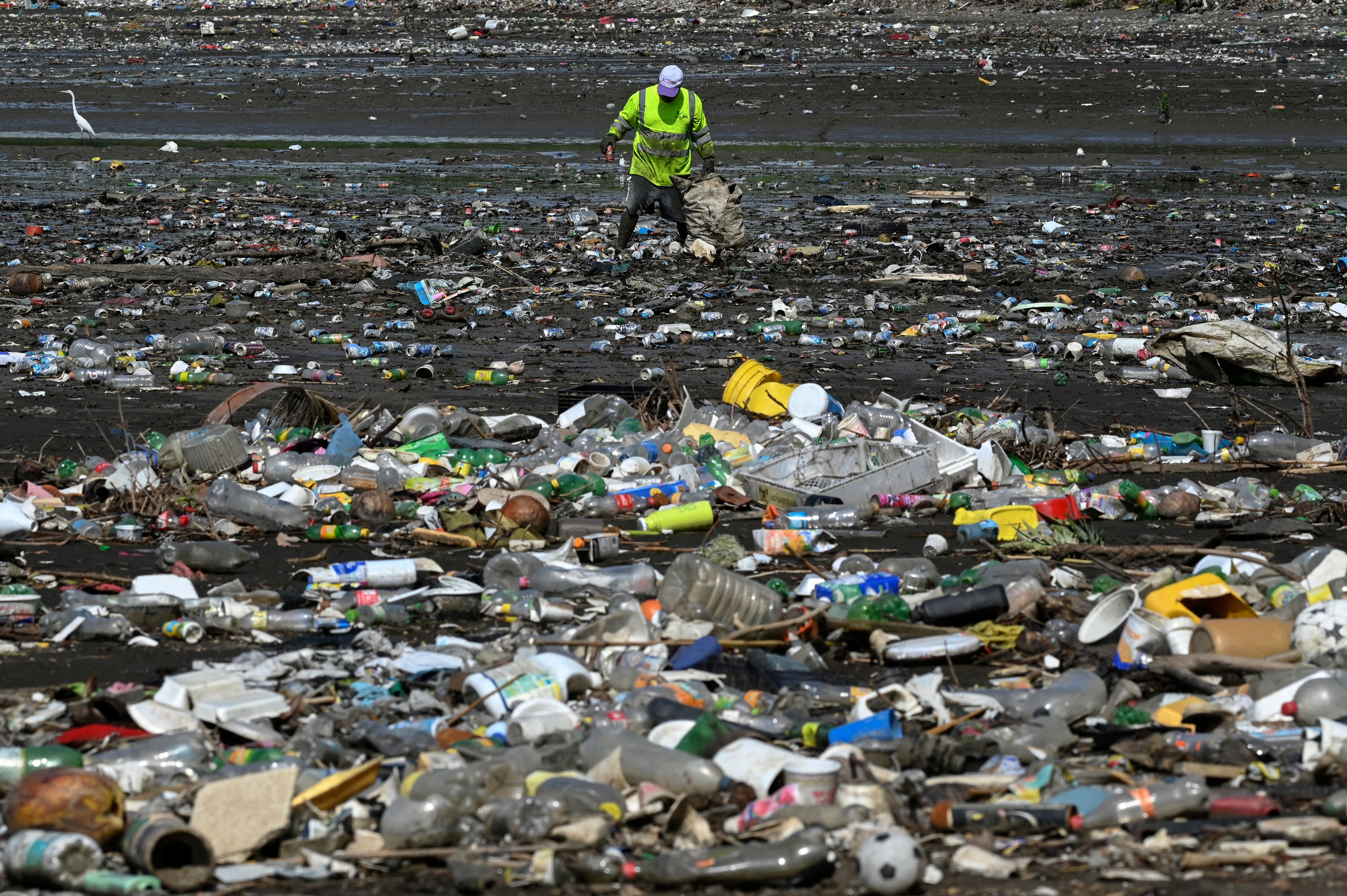
A recent comprehensive report has highlighted the staggering human and economic toll caused by plastic pollution worldwide, estimating that its impact amounts to approximately $1.5 trillion in deaths and injuries annually. This figure reflects the far-reaching consequences of plastic waste on public health, safety, and economic stability, drawing urgent attention to a growing global crisis.
Plastic materials, ubiquitous in modern life, have become a double-edged sword. While offering convenience, durability, and affordability, their proliferation has led to widespread environmental contamination and adverse health effects. The report underscores that plastic pollution is no longer just an environmental concern—it is a significant driver of human suffering and economic loss on a massive scale.
A critical aspect of the crisis involves the harmful consequences plastics have during their entire lifecycle—from production and use to disposal and degradation. In particular, the report identifies several pathways through which plastics contribute to injury and mortality, including chemical exposure, accidents related to plastic waste, and indirect effects on food security and disease transmission.
Chemical additives used in plastic manufacturing, such as phthalates and bisphenol A (BPA), have been linked to various health problems, including hormonal disruptions, developmental issues in children, and increased risks of chronic illnesses like cancer and cardiovascular disease. Workers involved in plastic production and recycling are especially vulnerable to these hazards due to occupational exposure.
The long-lasting nature of plastics also leads to extensive pollution of air, water, and land. Microplastics—minute particles formed from the degradation of plastic materials—have been found in tap water, marine food, and even in the air we inhale. New studies indicate that consuming and inhaling these microplastics could potentially affect health, although the complete implications are still being examined.
Beyond the chemical effects, plastic pollution causes physical harm and even deaths. Poor waste management leads to hazardous build-ups in both cities and the countryside. This can result in problems like flooding from blocked drains, landfill fires, and injuries from sharp plastic waste. In certain areas, stagnant water caught in the debris increases the risk of vector-borne diseases related to plastic for local communities.
Marine ecosystems suffer severe harm due to plastic waste, impacting fisheries and coastal economies. The reduction in fish populations and pollution of seafood sources has consequences for food security, especially in underprivileged coastal areas that depend heavily on marine resources. Malnutrition and associated health problems may increase as a result.
The economic impact, estimated at $1.5 trillion, encompasses healthcare expenses tied to diseases caused by plastics, productivity declines due to illness and injuries, costs for managing waste, and harm to sectors like tourism and fisheries. Developing nations bear the heaviest load, as they frequently lack the infrastructure to handle plastic waste and their healthcare systems experience heightened pressure.
The report calls for urgent, coordinated action across governments, industries, and civil society to address the multifaceted plastic crisis. Strategies include reducing plastic production and consumption, investing in sustainable alternatives, improving waste collection and recycling infrastructure, and enhancing public education on plastic pollution’s health risks.
Policy interventions such as extended producer responsibility (EPR) schemes, bans on single-use plastics, and regulations on hazardous chemical additives are recommended to mitigate harm. Additionally, advancing scientific research on plastic’s health impacts will support evidence-based policymaking.
International cooperation is vital, given that plastic pollution transcends borders through waterways and ocean currents. Multilateral agreements and shared commitments can amplify efforts to reduce plastic waste generation and foster innovation in sustainable materials.
The document underscores the significance of including health aspects in environmental strategies. It stresses that safeguarding human health and ecological balance are closely linked objectives. Tackling the plastic crisis presents a chance to enhance public health, boost economic resilience, and protect ecosystems for the benefit of future generations.
As the world grapples with the escalating plastic problem, this new assessment underscores the urgent need to transform how societies produce, use, and manage plastics. The costs of inaction, measured in human lives and economic losses, are too great to ignore.
Efforts to address the plastic crisis will necessitate consistent political determination, inter-industry cooperation, and community involvement. By focusing on lasting solutions and welcoming new ideas, society can move towards a healthier planet and a more secure environment for everyone.